Running in an engine - technical reality vs. internet myth?
A bad habit has spread around here, and that is the supposed “running in” of a new or rebuilt engine.
Lately I have been seeing lots of posts about how extremely important it is to go easy on an engine for thousands of kilometres. But what I almost always miss is a technical explanation of why. So let’s break down what really happens inside the engine and bust a few well-worn myths.
The vast majority of people imagine that something in the engine has to “wear in” so that it settles. But the more you understand engine design, the more you realise that there is practically nothing inside that should spend long thousands of kilometres “settling”.
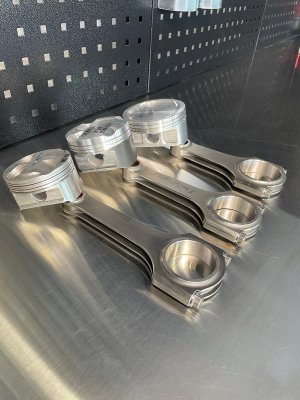
A piston always has a smaller diameter than the cylinder. The moment metal-to-metal contact occurs, it is not “running in”, but the beginning of seizure. The same applies to the crankshaft; it does not run on the bearing metal to metal, but “floats” on an oil film. If it touches the bearing, the problem happened long ago, regardless of the running-in style.
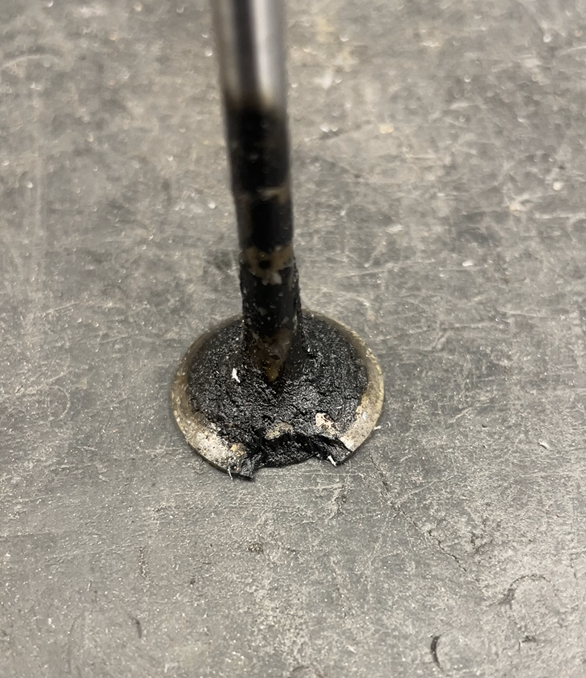
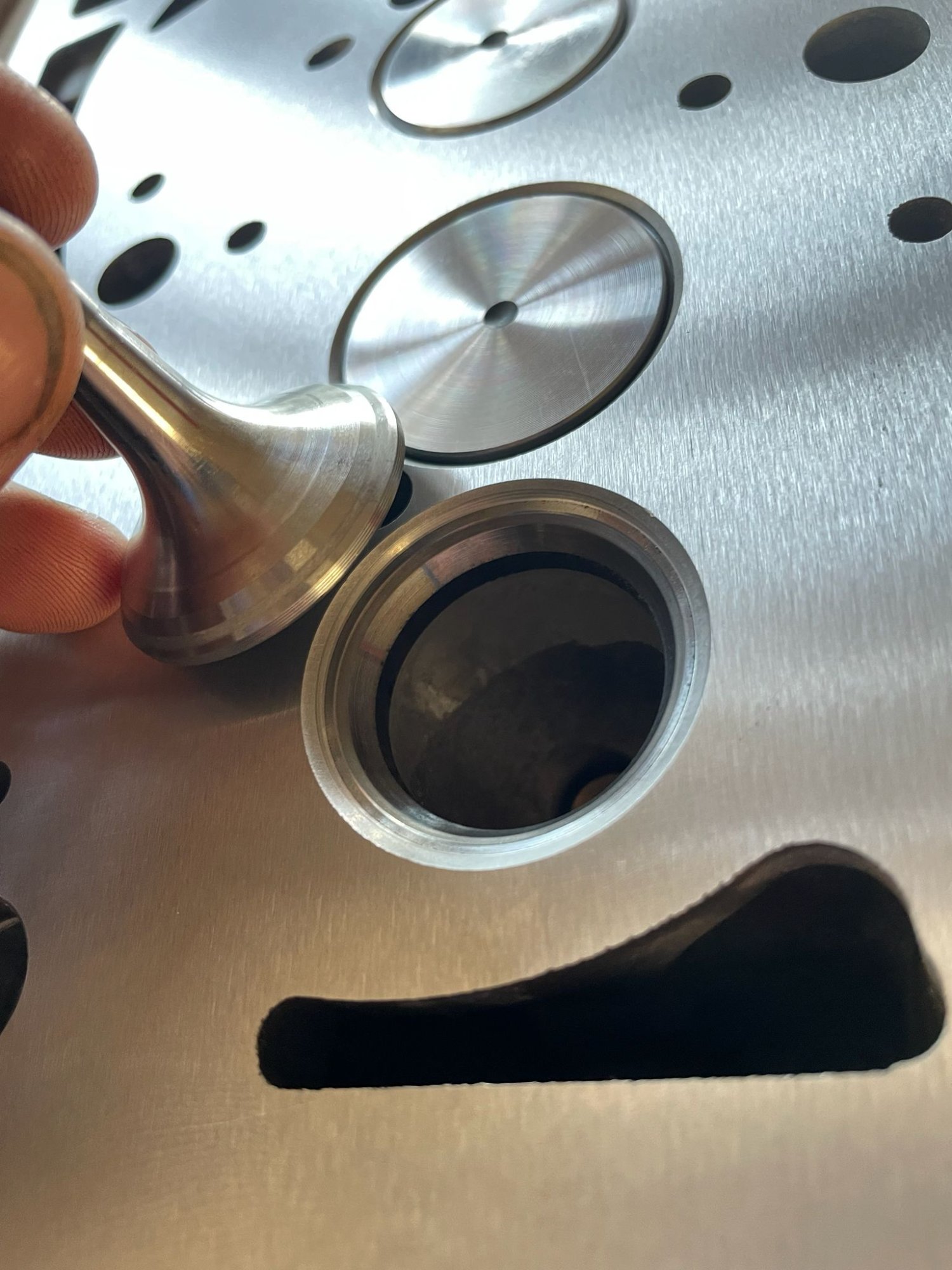
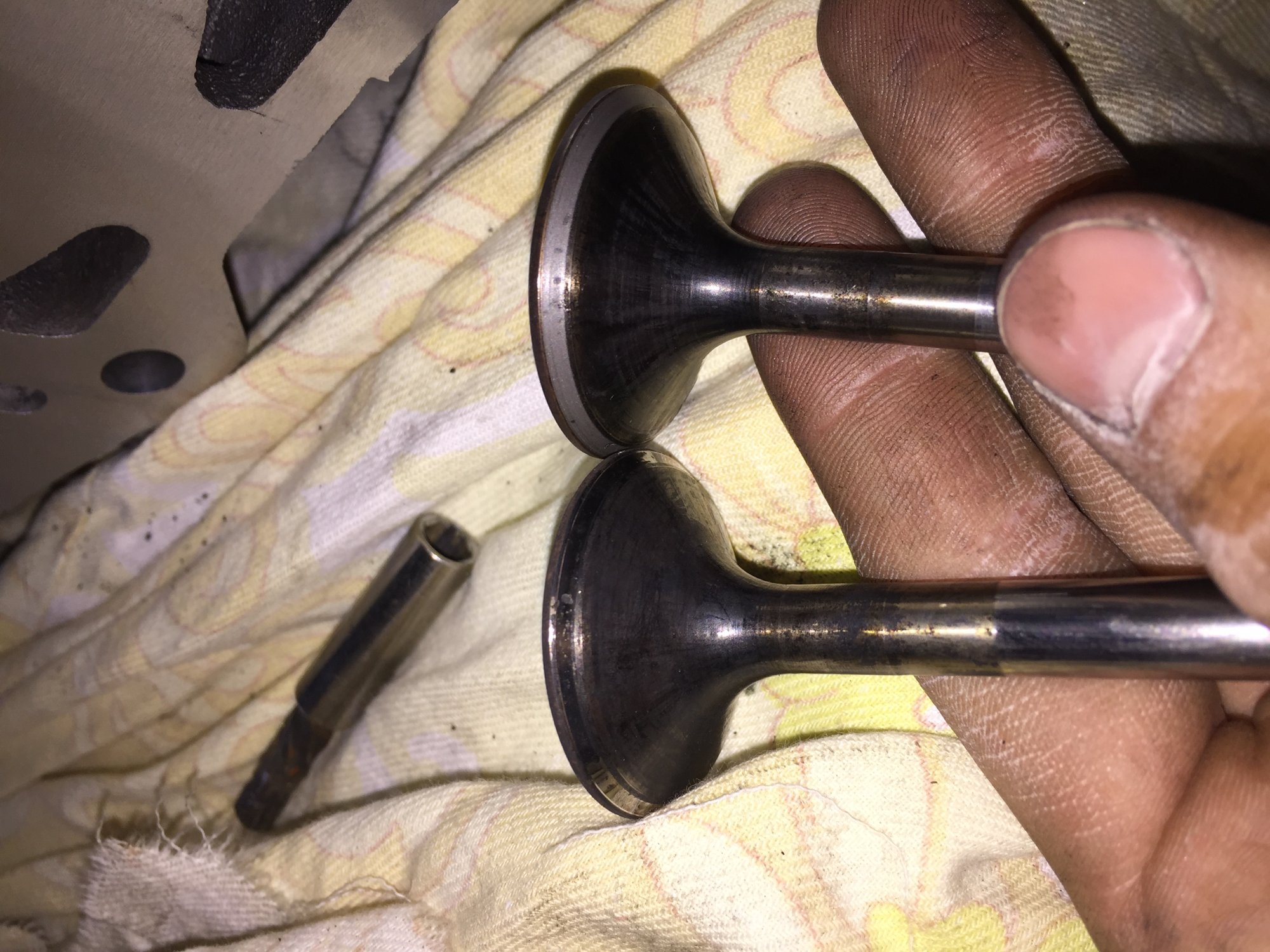
Where a certain “bedding in” really does take place is with the piston rings and the valve seats.
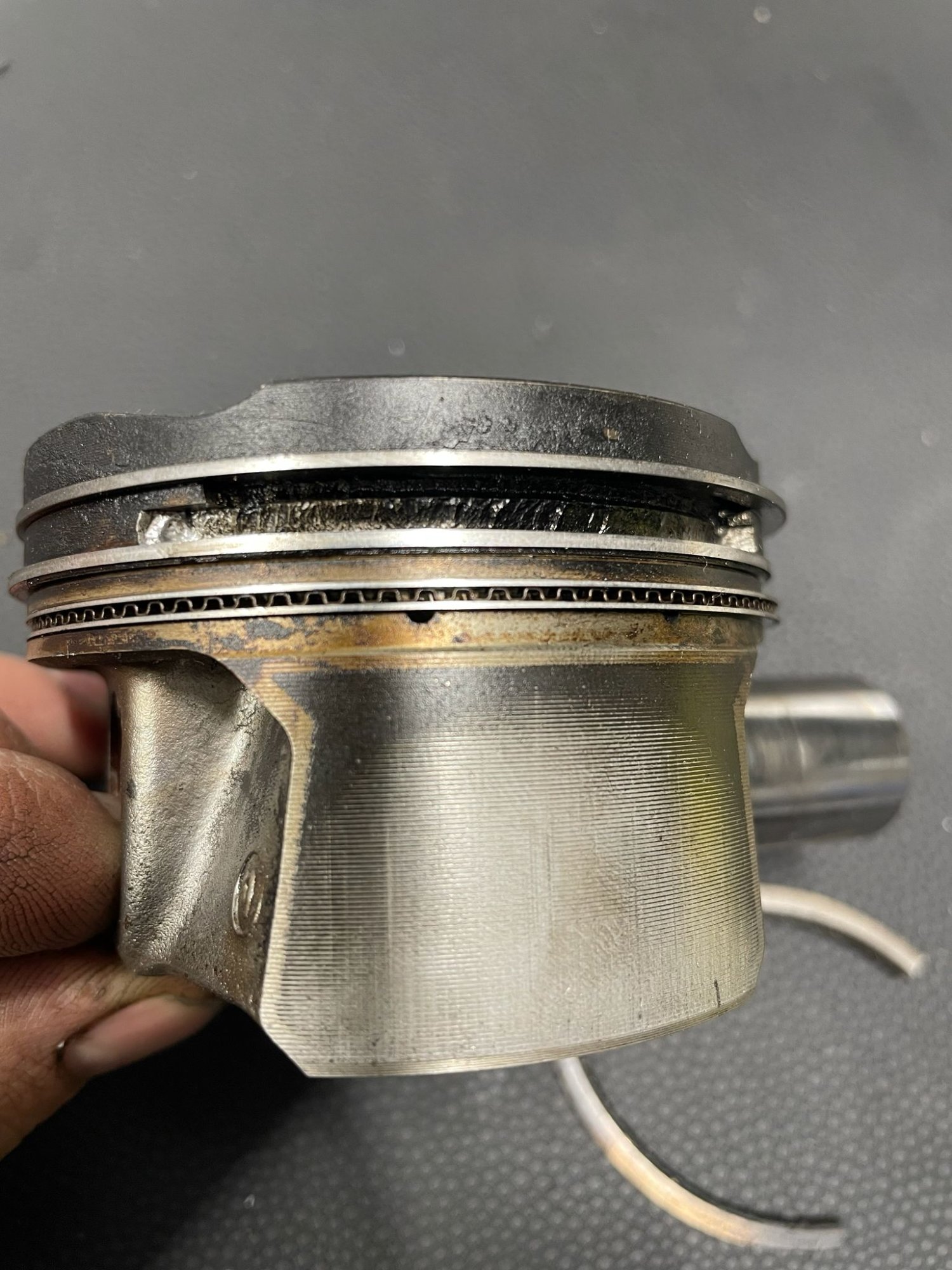
Piston rings must seat properly against the cylinder honing so that they seal well and, above all, carry heat away. And this is exactly where many people do not understand the crucial role thermodynamics plays. A ring is not cooled “just like that”; it is cooled mainly through its contact surface with the cylinder. So if the ring is not properly lapped in and does not have sufficient contact with the cylinder wall, it cannot effectively transfer the heat generated into the engine block.
The result can be local overheating of the ring, a change in the material properties and, in extreme cases, even ring breakage. And that is when loss of compression, increased oil consumption or crankcase pressure appear. Not because the engine was “run in badly” according to internet advice, but because the right conditions for ideal seating and heat dissipation were not created.
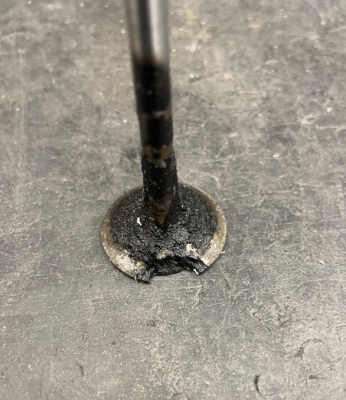
Valves work in a similar way. A valve is not cooled only by air or fuel, but mainly by contact with the seat in the cylinder head. As soon as the valve seats properly, it starts effectively transferring heat into the material of the head and then into the cooling system.
And this is exactly where the biggest misconception about “running in” arises.
It is not about the crankshaft making up its mind after 5,000 km about how it is going to work. It is not about some magical “running in” of the engine. It is mainly about the right heat cycles and about the contact surfaces finding ideal contact.
So in the end, what benefits a new or repaired engine the most is:
- warming up properly to operating temperature,
- normal variation of engine load,
- not overloading a cold engine,
- and not driving the first few hundred kilometres constantly in one mode.
That is all.
Today’s engines are manufactured with tolerances that older designs could only dream of. If an engine is built correctly, measured correctly and lubricated correctly, there is no reason to drive it like porcelain for thousands of kilometres.
And now the perhaps unpleasant truth: most engines you take over from the manufacturer or after a repair have already been through their first heat cycles anyway. The manufacturer tests the engine, the workshop starts and checks the engine after the repair. That process of “first bedding in” happened long ago.
So no, a modern engine really does not need 5,000 kilometres of emotional support.
It needs a correctly built foundation, quality lubrication, sensible handling when cold and normal operation.
The rest is often just a legend that has been passed on among people for decades.
Until the next article, best regards, Tobiáš.